RSV Immunization for Children: What Parents Need to Know
RSV is one of the most common respiratory viruses in children, but for babies and young children, it can sometimes become serious. At Castle Valley Children’s Clinic, we help families understand RSV prevention, including current immunization options recommended by the American Academy of Pediatrics.
What is RSV?
RSV stands for respiratory syncytial virus. It usually causes cold-like symptoms, such as a runny nose, cough, sneezing, fever, and decreased appetite. In many older children, RSV is mild. In infants, especially very young babies, RSV can lead to bronchiolitis, pneumonia, trouble breathing, dehydration, and hospitalization.
Why RSV Protection Matters for Babies
Babies have smaller airways and developing immune systems, which makes respiratory infections harder on them. RSV can be especially concerning for:
- Infants younger than 6 months
- Babies born prematurely
- Children with chronic lung disease
- Children with certain heart conditions
- Children with weakened immune systems
Even healthy full-term babies can become very sick from RSV, which is why prevention is an important part of infant care.
Is There an RSV Vaccine for Children?
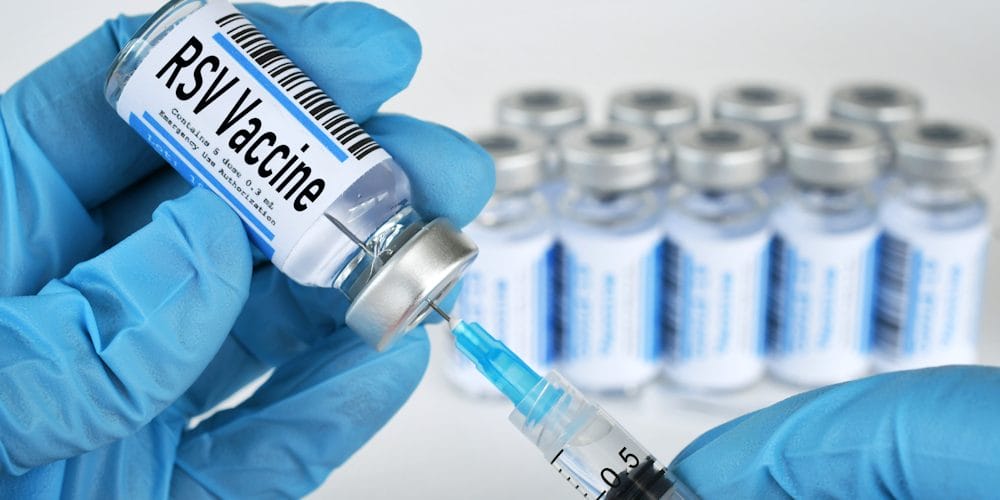
There is not a traditional RSV vaccine given directly to most infants and young children. Instead, babies may be protected through an RSV antibody immunization, such as nirsevimab, or through maternal RSV vaccination during pregnancy.
These options are designed to help protect babies during their first RSV season, when the risk of severe illness is highest.
RSV Immunization Schedule for Infants
RSV immunization is generally recommended for infants younger than 8 months who are born during or entering their first RSV season, especially if the mother did not receive RSV vaccine during pregnancy.
For most of the United States, RSV season typically runs from fall through early spring. Timing may vary based on local RSV activity and your child’s individual health history.
- Infants younger than 8 months: May receive RSV antibody protection before or during RSV season.
- Some children 8 through 19 months: May need protection before their second RSV season if they are at increased risk for severe disease.
- Most children 20 months and older: Do not typically receive infant RSV antibody immunization.
For a full breakdown of vaccine timing, visit the Vaccination Series main page.
How RSV Immunization Works
RSV antibody immunization gives babies ready-made antibodies that help protect them from severe RSV illness. This is different from a traditional vaccine, which teaches the immune system to make its own antibodies over time.
Because babies receive direct antibody protection, RSV immunization can help protect them during the season when they are most vulnerable.
Maternal RSV Vaccine During Pregnancy
Another way to protect babies is through RSV vaccination during pregnancy. When given during the recommended window, the mother passes protective antibodies to the baby before birth. This can help protect the infant during the first months of life.
In most cases, babies do not need both maternal RSV vaccine protection and infant RSV antibody immunization. Your pediatric provider can help determine which option applies to your child.
Is RSV Immunization Safe?
Yes. RSV immunization has been studied and recommended to help reduce the risk of severe RSV disease in infants and certain high-risk young children. As with any immunization, your child’s provider will review age, health history, timing, and eligibility before giving it.
Common Side Effects
- Mild soreness, redness, or swelling at the injection site
- Temporary fussiness
- Mild rash
Serious reactions are rare. If your child has had a severe allergic reaction to a previous dose or ingredient, your provider will discuss the safest next step.
Who Should Receive RSV Immunization?
RSV immunization may be recommended for infants younger than 8 months who are born during or entering RSV season. It may also be recommended for some children 8 through 19 months old who are at higher risk for severe RSV illness.
This is especially important for families receiving care at our New Castle pediatric clinic and Carbondale pediatric clinic, where preventative care is a key part of helping children stay healthy.
Who May Need Extra RSV Protection?
Some children are more likely to develop serious RSV illness and may need additional protection before their second RSV season. This may include children with:
- Chronic lung disease of prematurity
- Severe immune system problems
- Severe cystic fibrosis
- Certain high-risk medical conditions
Your pediatrician can help determine whether your child qualifies for RSV immunization based on current recommendations.
Who Should NOT Receive It?
Most eligible infants can safely receive RSV immunization. However, it may be delayed or avoided if:
- Your child has had a severe allergic reaction to a previous RSV antibody product
- Your child is currently moderately or severely ill
- Your child does not meet age or risk-based recommendations
Your provider will help guide the decision based on your child’s age, health, and timing within RSV season.
What If My Child Missed RSV Immunization?
If your child missed RSV immunization at the start of the season, talk with your pediatric provider. Depending on your child’s age, risk factors, and local RSV activity, they may still be eligible during the season.
You can schedule an appointment with our team to review your child’s options.
Other Ways to Help Prevent RSV
RSV spreads easily through coughs, sneezes, close contact, and contaminated surfaces. In addition to immunization when recommended, families can help reduce the spread of RSV by:
- Washing hands often
- Keeping babies away from people who are sick
- Cleaning frequently touched surfaces
- Avoiding smoke exposure
- Covering coughs and sneezes
- Keeping children home when they are sick
When to Call the Pediatrician
Call your child’s pediatrician if your baby has RSV symptoms and is very young, feeding poorly, breathing fast, wheezing, or showing signs of dehydration.
Seek urgent medical care if your child has trouble breathing, blue or gray coloring around the lips, pauses in breathing, severe lethargy, or signs of dehydration such as very few wet diapers.
Frequently Asked Questions
Is RSV just a cold?
Sometimes RSV looks like a cold, especially in older children. In infants and young children, RSV can become more serious and may affect the lungs and breathing.
Does every baby need RSV immunization?
Many infants younger than 8 months may be eligible during RSV season, especially if they were not protected through maternal RSV vaccination during pregnancy. Your pediatrician can confirm what is recommended for your baby.
Can RSV immunization be given with other vaccines?
In many cases, RSV immunization can be given during the same visit as routine childhood vaccines. Your provider will review your child’s schedule and make the safest recommendation.
Can my child still get RSV after immunization?
Yes, it is still possible to get RSV. The goal of immunization is to reduce the risk of severe illness, breathing complications, and hospitalization.
Is RSV immunization only for premature babies?
No. RSV can be serious for premature babies, but protection may also be recommended for many infants entering their first RSV season, depending on age, timing, and whether maternal RSV vaccine was received during pregnancy.
Partner With Your Pediatrician
At Castle Valley Children’s Clinic, we are committed to helping parents make informed decisions about prevention, vaccines, and childhood wellness. Explore more topics in our Vaccination Series or contact our team with any questions.
Schedule an Appointment
Your child’s health starts with prevention. Book your appointment today at our New Castle or Carbondale locations.